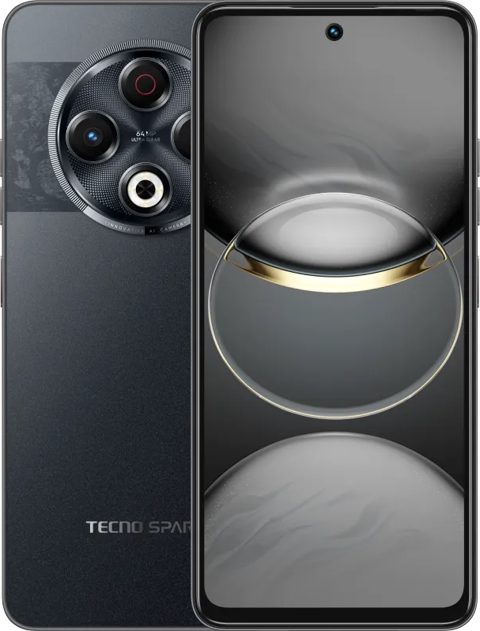
Tecno Tecno Spark 30
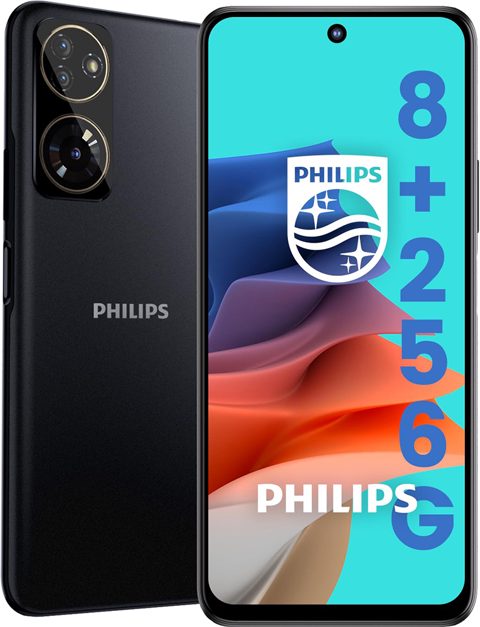
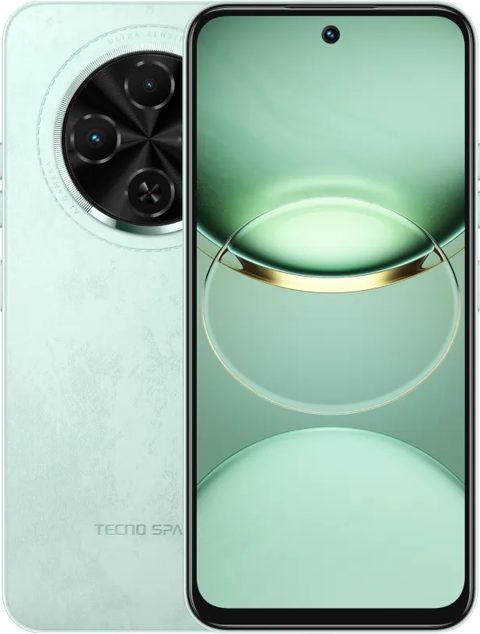
Tecno Spark 30 vs. Philips S6206 vs. Tecno Spark 30C
Fazit
Tecno Spark 30 ist für die meisten etwas besser
Gesamtwertung
- Tecno Spark 30 28
- Philips S6206 13
- Tecno Spark 30C 22
Warum Tecno Spark 30
- Größerer Hauptkamerasensor (1/1.73" vs. 1/2.8")
- Schärferes Display (396 ppi vs. 264 ppi)
- NFC zum kontaktlosen Bezahlen
- Videoaufnahme in 1440p 30fps (statt 1080p 30fps)
Warum Philips S6206
- 40 % günstiger
Warum Tecno Spark 30C
- Flüssigeres 120 Hz-Display (statt 90 Hz)
Tecno Spark 30C und Tecno Spark 30 liegen zum Spielen gleichauf
Gesamtwertung
- Tecno Spark 30 22
- Philips S6206 14
- Tecno Spark 30C 24
Warum Tecno Spark 30
- Schärferes Display (396 ppi vs. 264 ppi)
- NFC zum kontaktlosen Bezahlen
Warum Philips S6206
- 40 % günstiger
Warum Tecno Spark 30C
- Flüssigeres 120 Hz-Display (statt 90 Hz)
Tecno Spark 30 ist für Fotos und Videos deutlich besser
Gesamtwertung
- Tecno Spark 30 35
- Philips S6206 10
- Tecno Spark 30C 20
Warum Tecno Spark 30
- Größerer Hauptkamerasensor (1/1.73" vs. 1/2.8")
- Videoaufnahme in 1440p 30fps (statt 1080p 30fps)
- Schärferes Display (396 ppi vs. 264 ppi)
- Schärfere Selfie-Kamera (13 MP vs. 8 MP)
Warum Philips S6206
- 40 % günstiger
Warum Tecno Spark 30C
- Flüssigeres 120 Hz-Display (statt 90 Hz)
Tecno Spark 30 und Tecno Spark 30C liegen bei der Akkulaufzeit gleichauf
Gesamtwertung
- Tecno Spark 30 23
- Philips S6206 18
- Tecno Spark 30C 21
Warum Tecno Spark 30
- Größerer Hauptkamerasensor (1/1.73" vs. 1/2.8")
- Schärferes Display (396 ppi vs. 264 ppi)
- NFC zum kontaktlosen Bezahlen
- Videoaufnahme in 1440p 30fps (statt 1080p 30fps)
Warum Philips S6206
- 40 % günstiger
Warum Tecno Spark 30C
- Flüssigeres 120 Hz-Display (statt 90 Hz)
Philips S6206 ist fürs Geld deutlich besser
Gesamtwertung
- Tecno Spark 30 —
- Philips S6206 52
- Tecno Spark 30C 25
Warum Tecno Spark 30
- Größerer Hauptkamerasensor (1/1.73" vs. 1/2.8")
- Schärferes Display (396 ppi vs. 264 ppi)
- NFC zum kontaktlosen Bezahlen
- Videoaufnahme in 1440p 30fps (statt 1080p 30fps)
Warum Philips S6206
- 40 % günstiger
Warum Tecno Spark 30C
- Flüssigeres 120 Hz-Display (statt 90 Hz)
Bewertung nach Kategorie
Leistung
- Tecno Spark 30 19
- Philips S6206 9
- Tecno Spark 30C 19
Tecno Spark 30: GeschätztPhilips S6206: Typisch für den ChipsatzTecno Spark 30C: GeschätztDisplay
- Tecno Spark 30 26
- Philips S6206 18
- Tecno Spark 30C 37
Kamera
- Tecno Spark 30 46
- Philips S6206 7
- Tecno Spark 30C 16
Akku
- Tecno Spark 30 19
- Philips S6206 25
- Tecno Spark 30C 19
Geschätzt
Verarbeitung und Robustheit
- Tecno Spark 30 24
- Philips S6206 4
- Tecno Spark 30C 24
Konnektivität und Ausstattung
- Tecno Spark 30 29
- Philips S6206 5
- Tecno Spark 30C 16
Größe und Gewicht
- Tecno Spark 30
- Philips S6206
Alle technischen Daten
Allgemeines
Technische Daten Tecno Spark 30Philips S6206Tecno Spark 30C
Ankündigung
Samstag, 21. September 2024
Sonntag, 01. September 2024
Montag, 09. September 2024
Marktstart
Dienstag, 01. Oktober 2024
Sonntag, 01. September 2024
Dienstag, 01. Oktober 2024
Status
Erhältlich
Erhältlich
Erhältlich
Design
Technische Daten Tecno Spark 30Philips S6206Tecno Spark 30C
Höhe
168 mm (6.61 Zoll)
169.5 mm (6.67 Zoll)
—
Breite
76.4 mm (3.01 Zoll)
76.5 mm (3.01 Zoll)
—
Dicke
7.7 mm (0.30 Zoll)
8.5 mm (0.33 Zoll)
—
Gehäusematerialien
Rückseite: Kunststoff oder Silikonpolymer (Öko-Leder)
Rahmen: Kunststoff
Vorne: Glas
Rahmen: Kunststoff
Vorne: Glas
—
Rückseite: Kunststoff
Rahmen: Kunststoff
Vorne: Glas
Rahmen: Kunststoff
Vorne: Glas
Farben
Schwarz, Bumblebee Edition, Magic Skin 3.0, Weiß
Schwarz
Schwarz, Hellgrün, Weiß
Schutzart (IP)
Staubdicht und wasserfest (gegen Spritzwasser)
—
Staubgeschützt und wasserresistent (gegen Spritzwasser)
Schutzklassifizierung
IP64
—
IP54
Display
Technische Daten Tecno Spark 30Philips S6206Tecno Spark 30C
Display-Typ
IPS LCD
IPS LCD
IPS LCD
Displaygröße
6.78 Zoll
6.79 Zoll
6.67 Zoll
Auflösung
1080 × 2460 Pixel
720 × 1640 Pixel
720 × 1600 Pixel
Bildwiederholfrequenz
90 Hz
90 Hz
Besser:
120 Hz
Seitenverhältnis
—
—
20:9
Pixeldichte
Besser:
396 ppi
264 ppi
263 ppi
Screen-to-Body-Ratio
≈ 85%
≈ 84.4%
—
Spitzenhelligkeit
800 cd/m²
—
—
Touchscreen
Ja
Ja
Ja
Display-Features
Kapazitiver Touchscreen
Multitouch-Display
Multitouch-Display
Kapazitiver Touchscreen
Multitouch-Display
Multitouch-Display
1 Milliarde Farben
Kapazitiver Touchscreen
Multitouch-Display
Kapazitiver Touchscreen
Multitouch-Display
Hardware
Technische Daten Tecno Spark 30Philips S6206Tecno Spark 30C
Chipsatz
MediaTek Helio G91
Unisoc T606
MediaTek Helio G81
CPU-Kerne
8
8
8
Fertigungsprozess
12 nm
12 nm
12 nm
Maximale Taktfrequenz
2.0 GHz
1.6 GHz
2000 MHz
CPU-Architektur
64-bit
64-bit
64-bit
Mikroarchitektur
2x 2.0 GHz – Cortex-A75
6x 1.8 GHz – Cortex-A55
6x 1.8 GHz – Cortex-A55
2x 1.6 GHz – Cortex-A75
6x 1.6 GHz – Cortex-A55
6x 1.6 GHz – Cortex-A55
2x 2.0 GHz – Cortex-A75
6x 1.8 GHz – Cortex-A55
6x 1.8 GHz – Cortex-A55
RAM-Typ
LPDDR4X
LPDDR4X
LPDDR4X
Grafikeinheit (GPU)
ARM Mali-G52 MC2
ARM Mali-G57 MP1
ARM Mali-G52 MP2
RAM
8GB
6GB, 8GB
4GB, 6GB, 8GB
Speicher
128GB, 256GB
128GB, 256GB
128GB, 256GB
Varianten
128GB 8GB RAM
256GB 8GB RAM
256GB 8GB RAM
128GB 6GB RAM
256GB 8GB RAM
256GB 8GB RAM
128GB 4GB RAM
128GB 6GB RAM
256GB 4GB RAM
256GB 8GB RAM
128GB 6GB RAM
256GB 4GB RAM
256GB 8GB RAM
Speichererweiterung
Ja
Ja
Ja
Kartenslots
microSDXC
microSDXC
microSDXC
Benchmarks
Technische Daten Tecno Spark 30Philips S6206Tecno Spark 30C
AnTuTu 9
—
171,299 Typisch für Unisoc T606
—
Geekbench 5 Multi-Core
—
1,193 Typisch für Unisoc T606
—
Software
Technische Daten Tecno Spark 30Philips S6206Tecno Spark 30C
Betriebssystem
Android 14 (Upside Down Cake)
Android 14 (Upside Down Cake)
Android 14 (Upside Down Cake)
Benutzeroberfläche
HIOS 14
—
—
Hauptkamera
Technische Daten Tecno Spark 30Philips S6206Tecno Spark 30C
Kameras
Ja
Ja
Ja
Triple-Kamera
—
48 MP ( Weitwinkel )
2 MP ( Makro )
0.08 MP ( Hilfslinse )
PDAF
2 MP ( Makro )
0.08 MP ( Hilfslinse )
—
Dualkamera
64 MP ( Weitwinkel ), 0.8 μm, 1/1.73" Sensorgröße
0.08 MP ( Hilfslinse )
PDAF
0.08 MP ( Hilfslinse )
—
50 MP ( Weitwinkel ), 1/2.8" Sensorgröße
2 MP ( Hilfslinse )
PDAF
2 MP ( Hilfslinse )
Blitz
Ja
Ja
Ja
Blitztyp
Quad-LED-Blitz
LED-Blitz
LED-Blitz
Funktionen
Hoher Dynamikbereich (HDR)
—
Hoher Dynamikbereich (HDR)
Video
Ja
Ja
Ja
Videoauflösung
1440p @ 30 fps
1080p @ 30 fps
1080p @ 30 fps
—
1080p @ 30 fps
Frontkamera
Technische Daten Tecno Spark 30Philips S6206Tecno Spark 30C
Kameras
Ja
Ja
Ja
Einzelkamera
13 MP ( Weitwinkel )
8 MP
8 MP
Blitz
Ja
—
—
Blitztyp
Dual-LED-Dual-Tone-Blitz
—
—
Video
Ja
Ja
Ja
Videoauflösung
1080p @ 30 fps
—
—
Akku
Technische Daten Tecno Spark 30Philips S6206Tecno Spark 30C
Typ
—
Li-Poly
—
Kapazität
5000 mAh
4920 mAh
5000 mAh
Ladegeschwindigkeit (Kabel)
18 W
—
18 W
Netzwerk
Technische Daten Tecno Spark 30Philips S6206Tecno Spark 30C
SIM-Karten
Dual-SIM (Nano-SIM + Nano-SIM)
Dual-SIM (Nano-SIM + Nano-SIM)
Dual-SIM (Nano-SIM + Nano-SIM)
Datenrate
LTE, HSPA
LTE, HSPA
LTE, HSPA
Konnektivität
Technische Daten Tecno Spark 30Philips S6206Tecno Spark 30C
WLAN
Ja
Ja ( Wi-Fi 4 )
Ja
WLAN-Standards
—
802.11/a/b/g/n
—
WLAN-Features
—
Dual-band
—
Bluetooth
Ja
Ja
Ja
USB-Anschlüsse
USB Type-C
USB Type-C
USB Type-C
USB On-The-Go
USB On-The-Go
USB-Standards
USB-Laden, USB-Massenspeichergerät (UMS)
USB-Laden, USB-Massenspeichergerät (UMS)
USB-Laden, USB-Massenspeichergerät (UMS)
GPS
Ja
Ja
Ja
GPS-Features
GPS
GPS
GPS
NFC
Besser:
Ja
Nein
Nein
Multimedia
Technische Daten Tecno Spark 30Philips S6206Tecno Spark 30C
Lautsprecher
Ja
Ja
Ja
3,5-mm-Klinke
Ja
Ja
Ja
Audioformate
Stereo-Lautsprecher
—
Stereo-Lautsprecher
Funktionen
Technische Daten Tecno Spark 30Philips S6206Tecno Spark 30C
Sensoren
Seitlicher Fingerabdrucksensor
Nicht spezifizierte Sensoren
Nicht spezifizierte Sensoren
Seitlicher Fingerabdrucksensor
Nicht spezifizierte Sensoren
Nicht spezifizierte Sensoren
Beschleunigungssensor
Kompass
Seitlicher Fingerabdrucksensor
Kompass
Seitlicher Fingerabdrucksensor
Diese Handys stimmen in allen hier aufgeführten Daten überein.
Mit anderen Handys vergleichen
 Tecno Spark 30 vs. Infinix Hot 50i
- Philips S6206 vs. Infinix Hot 50i
- Tecno Spark 30C vs. Infinix Hot 50i
 Tecno Spark 30 vs. Philips S6310 Essence 20
- Philips S6206 vs. Philips S6310 Essence 20
- Tecno Spark 30C vs. Philips S6310 Essence 20
 Tecno Spark 30 vs. Xiaomi Redmi 13 5G
- Philips S6206 vs. Xiaomi Redmi 13 5G
So entstehen die Bewertungen
Jede Kategoriewertung zeigt, wo ein Handy unter den Modellen der letzten zwei Jahre steht: 80 heißt, es schlägt 80 % davon. Mit neuen Handys verschieben sich die Werte.
Benchmarks, Akku und Helligkeit stammen aus Labortests, wenn das Handy getestet wurde. Sonst nutzen die Wertungen typische Ergebnisse des Chipsatzes oder eine Schätzung aus den Daten und weisen darauf hin.
Die Kamerawertung bewertet die Hardware (Sensorgröße, Lichtstärke, Stabilisierung, Zoom und Video), nicht die Fotos selbst.
Kleine Unterschiede, die niemand merkt, etwa 120 Hz gegen 144 Hz, zählen nie als Vorteil. Größe und Gewicht werden gezeigt, aber nie bewertet, denn größer ist Geschmackssache.